

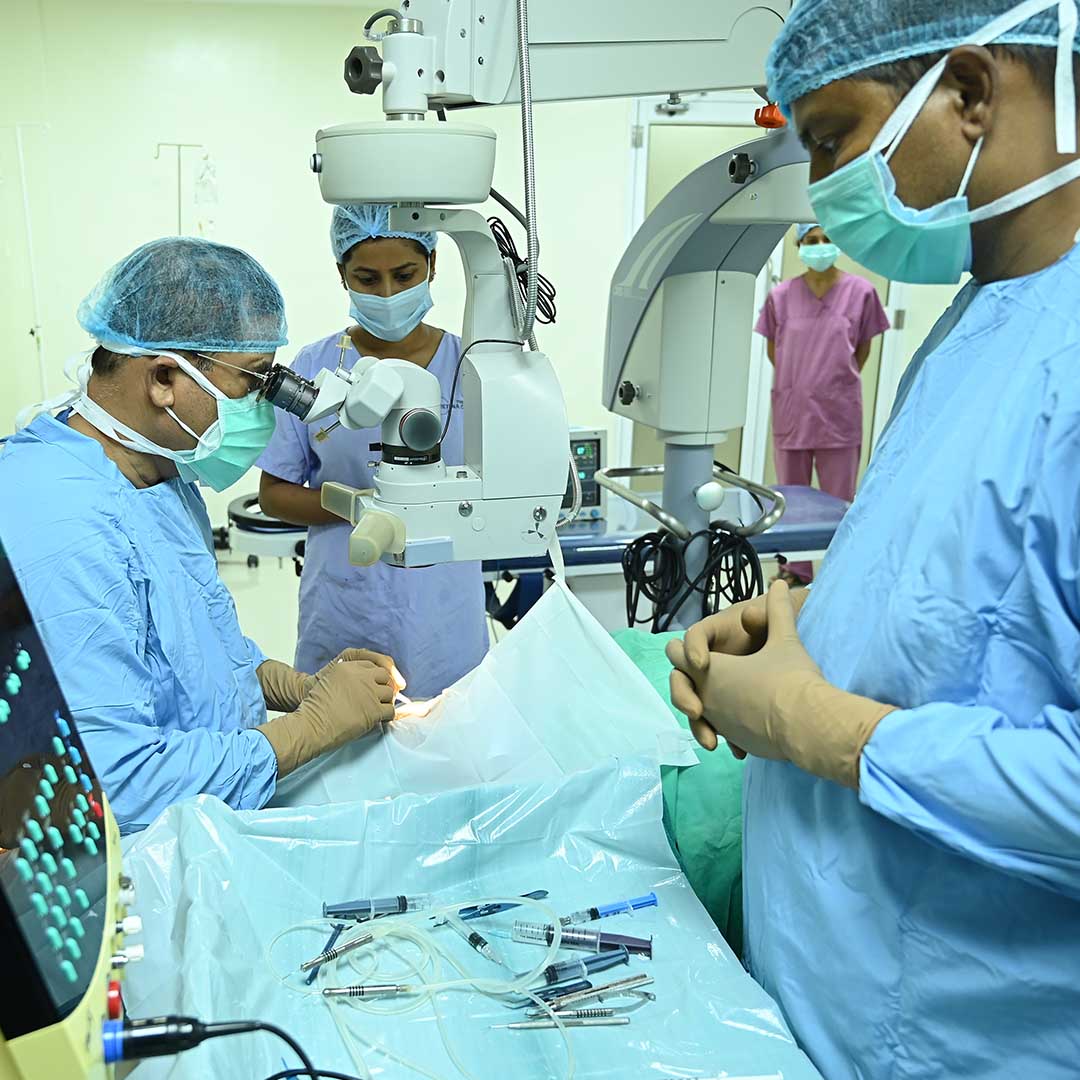
Keratectomy is a surgical procedure performed to reshape or remove a part of the cornea—the clear, dome-shaped surface that covers the front of the eye. It is commonly used to correct vision problems or treat corneal disorders caused by injury, infection, or degenerative diseases. At advanced eye care facilities like The Retina Centre, such procedures are carried out with precision, ensuring the best possible outcomes for patients.
What Is Keratectomy?
Keratectomy involves the removal of corneal tissue to improve clarity and vision. This procedure can be therapeutic or refractive, depending on the patient’s condition. It is often recommended for individuals with superficial corneal scars, recurrent erosions, or certain types of corneal dystrophies.
Types of Keratectomy
Photorefractive Keratectomy (PRK):
PRK is a type of laser eye surgery used to correct vision by reshaping the cornea. It is an alternative to LASIK and is ideal for patients with thin corneas.
Phototherapeutic Keratectomy (PTK):
PTK is used to treat corneal surface irregularities or diseases. Unlike PRK, it focuses on removing diseased or damaged tissue rather than correcting vision.
Manual Keratectomy:
In some cases, surgeons may perform manual keratectomy using surgical tools to scrape or remove surface layers, particularly in cases of superficial scarring or growths like pterygium.
At The Retina Centre, patients benefit from experienced ophthalmologists who utilize the latest techniques and technologies to ensure safe and effective outcomes. Their focus on patient comfort and long-term vision health makes them a trusted destination for corneal care in Eastern India.
Recovery and Aftercare
Recovery from keratectomy typically involves mild discomfort, light sensitivity, and temporary blurred vision. Complete healing can take a few days to a few weeks, depending on the type of procedure. Eye drops, protective eyewear, and follow-up visits are essential to monitor healing and prevent complications.
Patients are advised to avoid rubbing their eyes, stay away from dusty environments, and follow their doctor’s aftercare instructions strictly.