

Retinal diseases, such as diabetic retinopathy, age-related macular degeneration (AMD), and retinal vein occlusion, are among the leading causes of vision loss in India. With increasing prevalence of diabetes, hypertension, and sedentary lifestyles, more Indians are at risk of developing retinal problems. While medical interventions play a crucial role, lifestyle modifications can significantly help slow disease progression and preserve vision.
1. Manage Blood Sugar and Blood Pressure
Diabetes and hypertension are major contributors to retinal diseases, particularly diabetic retinopathy. Maintaining blood sugar levels within the recommended range and keeping blood pressure under control can drastically reduce retinal damage. Regular monitoring, adherence to prescribed medications, and consultation with endocrinologists or general physicians are essential steps. Traditional Indian diets can be adapted to manage these conditions—choosing whole grains like millet (ragi, jowar), incorporating more vegetables, and limiting refined sugar intake.
2. Adopt a Nutrient-Rich Diet
A diet rich in antioxidants, vitamins, and minerals supports retinal health. Leafy greens such as spinach and fenugreek (methi), green and leafy vegetables, and fruits like amla, papaya, and berries are excellent sources of vitamin C and carotenoids. Omega-3 fatty acids, found in fish like mackerel (bangda) and sardines, as well as flaxseeds and walnuts, help reduce inflammation and support retinal function. Including these foods in daily meals can be particularly beneficial for Indians who face higher risk due to dietary imbalances.
3. Quit Smoking and Limit Alcohol Consumption
Smoking accelerates oxidative stress and damages the retina, increasing the risk of AMD and other retinal conditions. Quitting smoking is one of the most effective steps to protect eye health. Similarly, excessive alcohol consumption can harm blood vessels, optic nerve and worsen retinal diseases. Limiting alcohol intake and avoiding smoking are crucial lifestyle adjustments.
4. Regular Physical Activity
Exercise improves blood circulation, regulates blood sugar, and supports overall cardiovascular health, all of which indirectly protect the retina. Even moderate physical activity, such as walking for 30 minutes daily, yoga, or cycling, can make a difference. In India, where lifestyle-related diseases are rising, incorporating routine physical activity can be a preventive measure against retinal complications.
5. Protect Eyes from UV and Digital Strain
Prolonged exposure to sunlight and digital screens can strain retinal cells. Wearing UV-protective sunglasses outdoors, taking regular breaks during screen use, and maintaining proper screen distance can help reduce retinal stress. Simple habits, like the 20-20-20 rule—looking at something 20 feet away for 20 seconds every 20 minutes & blink frequently—can be especially useful for IT Professionals and students.
6. Regular Eye Check-Ups
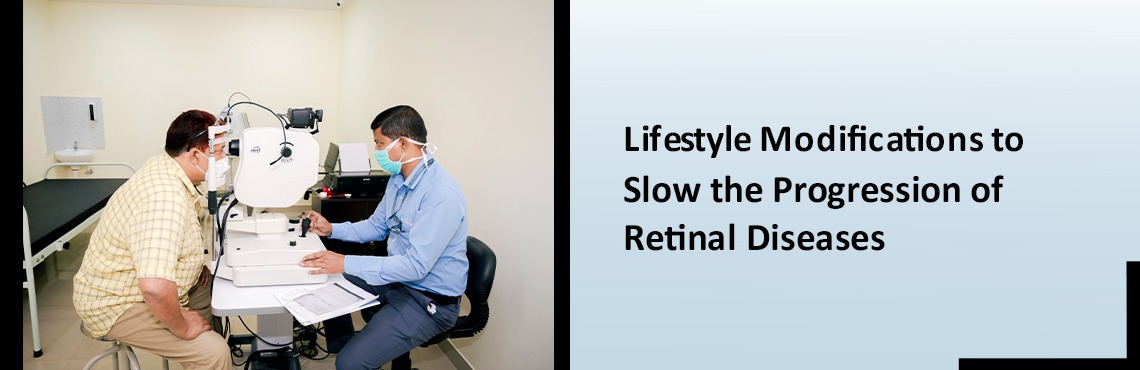
Early detection is key in managing retinal diseases. Annual eye examinations with a retinal specialist can identify subtle changes before they become severe. For diabetic or hypertensive patients, more frequent check-ups are recommended.
In conclusion, while medical treatment remains critical, Indian lifestyles can be tailored to support retinal health. Balanced nutrition, physical activity, avoiding smoking can collectively slow the progression of retinal diseases, helping preserve vision and quality of life.