

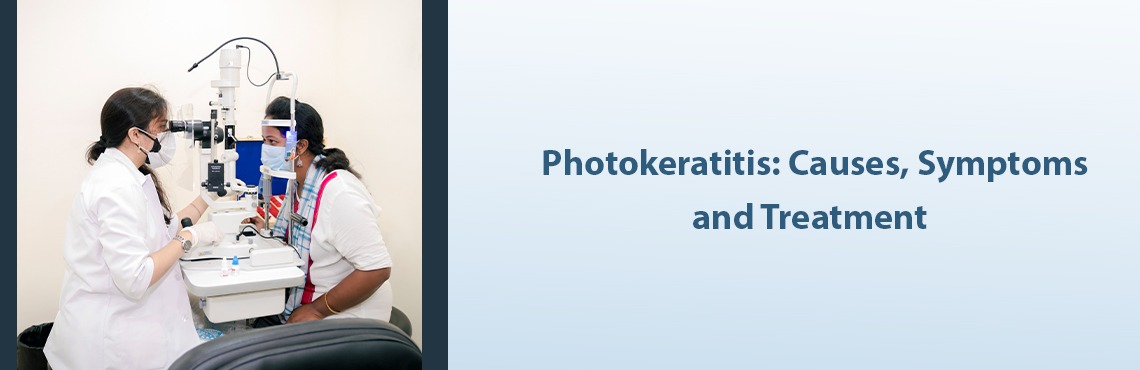
Photokeratitis—often called “sunburn of the eye”—is an acute, painful condition caused by overexposure to ultraviolet (UV) radiation. Although commonly associated with high-altitude snow regions abroad, this condition is increasingly seen in India due to strong sunlight, outdoor occupations, welding exposure, and even beach tourism. Understanding photokeratitis is essential because it can be prevented with simple precautions and requires timely care to avoid prolonged discomfort.
What is Photokeratitis?
Photokeratitis occurs when the cornea (the clear front surface of the eye) and the conjunctiva become inflamed due to high levels of UV light exposure. Much like how skin can get sunburned, the corneal surface can become temporarily damaged, leading to irritation and pain. In India, this is seen among people working long hours outdoors, bikers, welders, and travellers visiting snowy regions like Himachal Pradesh, Kashmir, and Uttarakhand.
Common Causes in the Indian Context
1. Direct Sun Exposure
India receives intense UV radiation—especially in states closer to the equator such as Tamil Nadu, Kerala, Telangana, and Karnataka. Spending long hours in midday sun without eye protection is a major contributor.
2. Reflection From Surfaces
UV rays reflect strongly from sand, water, and snow. Beaches in Goa, Andaman, and Odisha as well as Himalayan tourist destinations often see higher cases of photokeratitis among visitors who stay outdoors for prolonged periods without sunglasses.
3. Welding Without Eye Protection
Welders in India are at high risk of “welder’s flash,” a form of photokeratitis caused by exposure to UV radiation from welding arcs. Inadequate protective gear or momentary exposure can trigger symptoms within hours.
4. Tanning Lamps & UV Lamps
Though less common, people working with UV sterilisation lamps or cosmetic devices can experience accidental UV exposure.
Symptoms of Photokeratitis
Symptoms typically appear 6 to 12 hours after exposure and may include:
- Severe eye pain or discomfort
- Redness and irritation
- Excessive tearing
- Blurry vision
- Sensitivity to light (photophobia)
- Gritty or burning sensation
- Mild swelling of eyelids
- Temporary vision disturbance
These symptoms usually affect both eyes, unless the exposure was one-sided (as in welding flashes).
How is Photokeratitis Treated?
Photokeratitis usually heals within 24–48 hours, but comfort measures and proper care are essential. The Retina Centre and other eye-care specialists recommend:
1. Lubricating Eye Drops
Artificial tears help soothe the eye surface and reduce irritation.
2. Cold Compress
Applying a clean, cold cloth over the eyes relieves burning and redness.
3. Protective Eye Rest
Avoid bright lights, screens, and further sun exposure until symptoms resolve.
4. Pain Management
- Mild pain relievers may be prescribed by your ophthalmologist for discomfort.
- Antibiotic Eye Drops (If Required)
- These may be recommended to prevent infection if the corneal surface is significantly damaged.
- Never rub your eyes or use over-the-counter steroid drops, as they can worsen damage or trigger complications.
Prevention: The Most Important Step
- Wear UV-protected sunglasses(labelled UV400).
- Use helmets with visorsor wraparound glasses when riding a two-wheeler.
- Welders must always use certified eye shields.
- Avoid looking directly at welders’ arcs or UV lamps.
- Take extra care in snowy or beach locations—UV reflection can double exposure.
Photokeratitis is painful but completely preventable. With simple protective measures and awareness, you can protect your eyes from UV damage. If you experience symptoms after sun or welding exposure, seek timely evaluation from an eye specialist. Centres like The Retina Centre can provide accurate diagnosis, relief, and guidance to ensure your eyes heal safely and fully.