

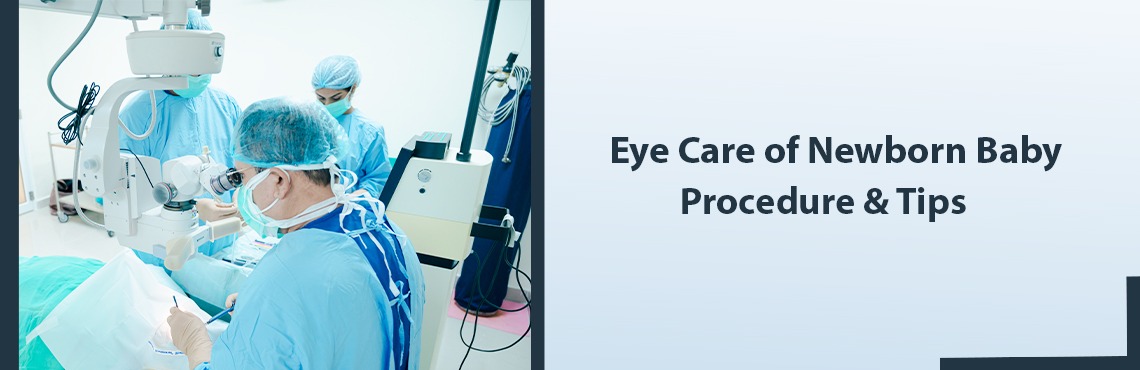
A newborn baby’s eyes are delicate and still developing, making proper eye care essential in the early weeks of life. From routine cleaning to checking for early signs of problems, eye care during the newborn stage lays the foundation for healthy vision in the future. While most babies are born with healthy eyes, understanding basic procedures and knowing when to consult a specialist in Paediatric Ophthalmology Treatment can make a big difference.
Why Newborn Eye Care Is Important
Newborns are born with visual systems that continue to develop after birth. During the first few months, their eyes begin to learn how to focus, move, and work together. Early detection of any abnormalities can prevent long-term issues like lazy eye, infections, or congenital disorders.
Basic Eye Care Procedure for Newborns
Proper newborn eye care is simple and can be done at home as part of daily hygiene routines. Here’s how to care for your baby’s eyes:
1. Cleaning the Eyes
- Use a soft, clean cotton ball or cloth soaked in warm, sterile water.
- Wipe gently from the inner corner (near the nose) to the outer corner.
- Use a separate cotton ball for each eye to prevent cross-infection.
- Never use any over-the-counter drops or lotions unless prescribed by a doctor.
2. Handling Sticky or Watery Eyes
It’s common for some newborns to have slightly sticky or watery eyes due to immature tear ducts. Gently cleaning and performing tear duct massage (as advised by an ophthalmologist) can help. If the problem persists or there’s redness and swelling, seek medical advice immediately.
3. Monitoring for Signs of Infection
Watch out for symptoms such as:
- Persistent discharge or pus
- Redness or swelling around the eyelids
- Excessive tearing or eye rubbing
- Cloudy or white pupils
These could be signs of an eye infection or congenital eye issue, and may require Paediatric Ophthalmology Treatment.
Newborn Eye Examination at Birth
Hospitals routinely conduct an initial eye screening shortly after birth to check for any visible abnormalities. This includes examining:
- The red reflex (a reflection from the retina)
- Eye alignment
- Reaction to light
If anything unusual is detected, a referral to a paediatric ophthalmologist is usually recommended for further evaluation.
When to See a Paediatric Ophthalmologist
You should consider consulting a specialist in Paediatric Ophthalmology Treatment if you notice any of the following:
- White or cloudy appearance in the pupil
- Crossed eyes beyond the age of 3–4 months
- Delayed visual tracking
- Eye injuries or swelling
- Family history of congenital eye conditions
Early diagnosis and treatment can correct many problems before they affect long-term vision.
Tips for Healthy Eye Development
Give your baby enough “face time” babies learn to focus by looking at faces.
Encourage visual tracking by moving colorful objects slowly across their field of vision.
Make sure the baby gets enough exposure to natural light during the day.
Newborn eye care is simple but vital. With daily cleaning, careful observation, and timely consultation with a Paediatric Ophthalmology when needed, you can help your baby’s eyes develop properly. Early eye care ensures not just healthy vision, but also supports their overall development.