

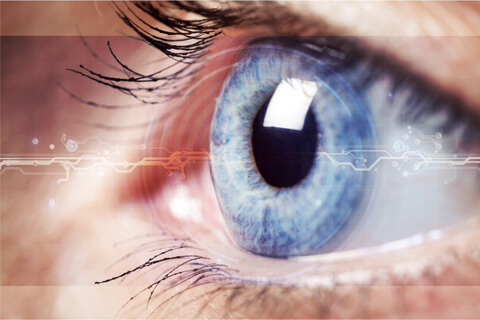
We’ve all heard it growing up: “Eat your carrots—they’re good for your eyes!” But is there any truth to this age-old advice, or is it just another food myth passed down through generations? Let’s dig into the fascinating connection between carrots, nutrition, and your eye health.
The Origin of the Carrot-Eye Myth
The idea that carrots improve vision became particularly popular during World War II. British pilots credited their nighttime accuracy to eating carrots, a story partly fueled by military propaganda to mask the use of radar technology. While it was clever misinformation at the time, there’s some scientific truth behind the claim—but not quite in the way many people believe.
Why Carrots Are Linked to Eye Health
Carrots are rich in beta-carotene, a plant pigment that the body converts into vitamin A. Vitamin A is crucial for healthy vision because it helps produce rhodopsin, a pigment in the retina that assists with seeing in low light.
A deficiency in vitamin A can lead to serious eye problems, including:
- Night blindness
- Dry eyes
- Corneal ulcers
- In severe cases, total blindness
Therefore, getting enough vitamin A through your diet, including from carrots, is essential for maintaining normal vision.
Can Carrots Improve Your Eyesight?
Here’s where we separate fact from fiction:
- Carrots can help prevent vitamin A deficiency, which is vital for healthy eyes.
- However, eating carrots won’t give you superhuman vision or improve eyesight beyond normal levels.
If your eyesight is already good, eating excessive carrots won’t turn you into a hawk-eyed superhero. But if you’re low in vitamin A, including carrots in your diet can certainly help preserve your vision and prevent certain conditions.
Other Nutrients for Eye Health
While carrots get most of the attention, they’re not the only food that supports eye health. Other essential nutrients include:
Lutein and Zeaxanthin
Found in leafy greens like spinach and kale, these antioxidants protect your eyes from harmful light and may reduce the risk of age-related macular degeneration (AMD).
Vitamin C
Abundant in citrus fruits and peppers, vitamin C is an antioxidant that helps protect eye tissues from damage.
Zinc
Important for transporting vitamin A from the liver to the retina, zinc is found in meat, nuts, and seeds.
Omega-3 Fatty Acids
Present in fatty fish like salmon, omega-3s help maintain retinal health and may ease dry eye symptoms.
Moderation Is Key
It’s worth noting that overconsumption of carrots can cause carotenemia, a harmless condition where your skin takes on a yellow-orange tint. While not dangerous, it’s a sign that you might be eating too many beta-carotene-rich foods.
So, are carrots good for your eyes? Absolutely—but with context. They’re an excellent source of vitamin A and play a role in maintaining normal vision and eye health. However, they’re not a miracle cure for poor eyesight or a substitute for corrective lenses or eye care.
For optimal eye health, maintain a balanced diet filled with a variety of nutrients, schedule regular eye exams, and protect your eyes from strain and UV damage.
Next time you crunch into a carrot, enjoy it knowing you’re doing your eyes a small but meaningful favor—but don’t expect instant x-ray vision!