

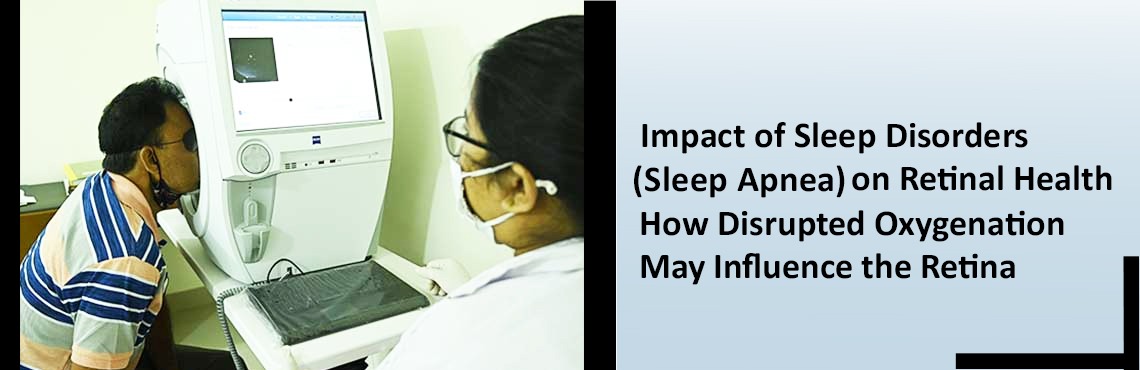
Sleep is an essential pillar of health, yet millions of Indians struggle with sleep disorders, with sleep apnea being one of the most common and underdiagnosed conditions. Characterized by repeated pauses in breathing during sleep, sleep apnea can lead to fragmented sleep, daytime fatigue, and, more importantly, chronic oxygen deprivation. While its links with cardiovascular and metabolic health are widely known, emerging research highlights the profound effects sleep apnea may have on ocular health, particularly the retina.
The retina, a thin layer of light-sensitive tissue at the back of the eye, requires a steady supply of oxygen to function optimally. In patients with sleep apnea, intermittent drops in blood oxygen levels—known as hypoxia—can compromise retinal oxygenation. Over time, this may lead to microvascular damage, increasing the risk of conditions like diabetic retinopathy, glaucoma, and retinal vein occlusion. Considering India’s rising burden of diabetes and hypertension, which themselves affect retinal health, the combined impact of sleep apnea can be particularly concerning.
Studies suggest that sleep apnea may exacerbate optic nerve damage, leading to a higher likelihood of glaucomatous changes. Patients may remain unaware of these subtle changes until significant vision loss occurs. Furthermore, research indicates that untreated sleep apnea may alter intraocular pressure patterns during sleep, further straining the delicate retinal vessels. This is especially relevant in urban India, where lifestyle factors such as irregular sleep schedules, long working hours, and rising obesity rates contribute to higher prevalence of sleep disorders.
The connection between sleep apnea and retinal health is not limited to structural damage. Disrupted oxygenation can trigger oxidative stress and inflammation, both of which accelerate retinal degeneration. Over time, this may impact visual acuity, night vision, and contrast sensitivity, subtly affecting daily life. For many Indians, early signs—like morning headaches, dry eyes, or transient blurred vision—may go unnoticed or be attributed to fatigue, delaying timely intervention.
Addressing these risks begins with early detection and management. Sleep studies, lifestyle modifications, weight management, and the use of CPAP (Continuous Positive Airway Pressure) devices are effective strategies for controlling sleep apnea. Equally important is regular eye examinations, particularly for those with diabetes, hypertension, or a family history of ocular disease. Indian ophthalmologists increasingly emphasize screening for retinal changes in patients diagnosed with sleep apnea, highlighting the need for holistic care that bridges systemic and ocular health.
In conclusion, the link between sleep apnea and retinal health underscores the interconnectedness of sleep, oxygenation, and vision. For Indians, where lifestyle and metabolic risks are on the rise, recognizing sleep disorders early and seeking both sleep and eye care can help preserve retinal function and prevent long-term visual complications. Prioritizing sleep is not just about energy and productivity—it is a vital component of lifelong eye health.