

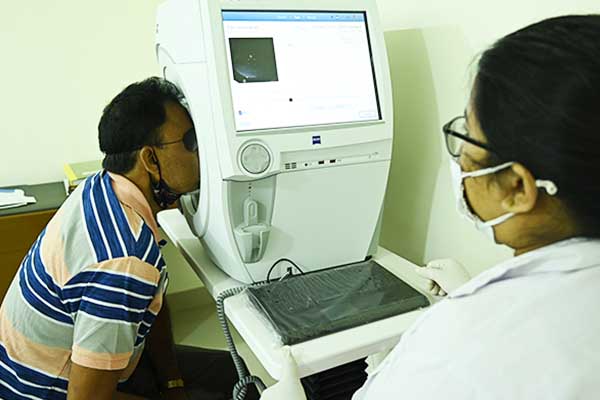
The retina is a thin layer of tissue at the back of the eye that converts light into neural signals, enabling vision. Any damage or deterioration of the retina can significantly impact sight, and in severe cases, lead to permanent vision loss. Understanding the causes, symptoms, and available treatments for retinal deterioration is essential for early intervention and effective management.
Causes of Retinal Deterioration
- Retinal deterioration can occur due to several underlying conditions:
a. Age-Related Macular Degeneration (AMD):
A leading cause of vision loss in people over 50, AMD affects the central part of the retina (macula), impairing detailed vision. According to the World Health Organization (WHO), AMD accounts for nearly 8.7% of global blindness cases.
b. Diabetic Retinopathy:
High blood sugar damages retinal blood vessels, leading to leakage, swelling, or abnormal growth. The International Diabetes Federation estimates that over 30% of people with diabetes show signs of retinopathy.
c. Retinal Detachment:
This occurs when the retina separates from the underlying tissue. It is considered a medical emergency, as untreated detachment can result in permanent blindness.
d. Inherited Retinal Diseases (IRDs):
Conditions like Retinitis Pigmentosa progressively damage the retina, often leading to night blindness and tunnel vision.
e. Other Causes:
Eye injuries, vascular blockages, infections, and prolonged uncontrolled hypertension can also contribute to retinal damage.
Symptoms to Watch For
Retinal deterioration often develops gradually, and early signs should never be ignored. Key symptoms include:
- Blurred or distorted central vision
- Difficulty reading or recognizing faces
- Loss of peripheral (side) vision
- Sudden flashes of light or floaters in the visual field
- Dark or empty spots in vision
- Poor night vision
In the case of retinal detachment, sudden onset of symptoms like curtain-like shadows across vision require urgent medical attention.
Treatment Options
The treatment of retinal deterioration depends on the cause, severity, and progression of the disease. Common approaches include:
- Laser Therapy:
Used in diabetic retinopathy and retinal tears, laser treatment seals leaking blood vessels and prevents further damage. - Anti-VEGF Injections:
In conditions like wet AMD, anti-VEGF (vascular endothelial growth factor) injections reduce abnormal blood vessel growth and swelling. - Vitrectomy:
A surgical procedure to remove the vitreous gel in cases of severe retinal detachment, bleeding, or scarring. - Photodynamic Therapy (PDT):
Combines light-activated drugs with laser treatment to target abnormal retinal blood vessels. - Lifestyle and Medical Management:
Controlling diabetes, hypertension, and cholesterol levels significantly reduces the risk of retinal damage. Regular eye check-ups, especially for individuals over 40, are strongly recommended.
Retinal deterioration is a serious but manageable condition when diagnosed early. With timely medical intervention and advanced treatment options, patients can preserve vision and maintain a good quality of life. Regular eye examinations remain the most effective way to detect retinal changes before symptoms worsen.