

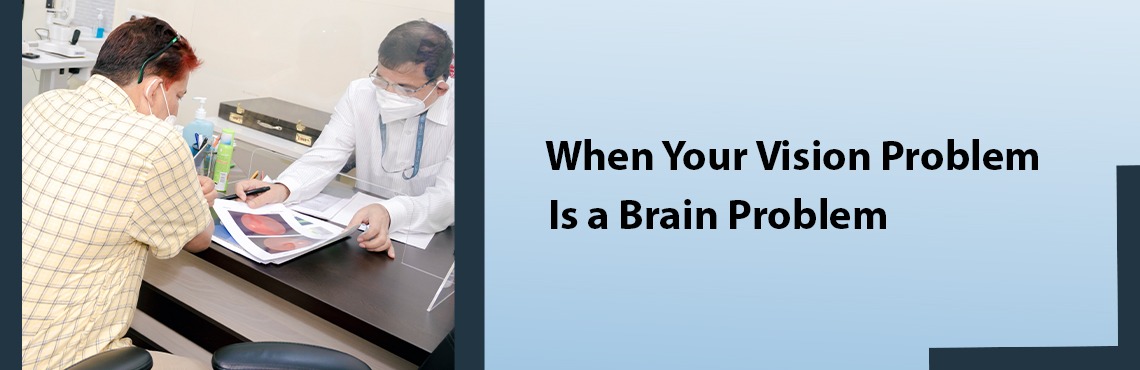
Understanding Neuro-Ophthalmic Disorders
Not all vision problems start in the eye. In many cases, the brain—which processes nearly 70% of all sensory input—plays a central role. When patients experience sudden vision loss, double vision, visual field defects, or unexplained headaches with visual disturbances, neuro-ophthalmologists often remind them: “Sometimes the eye is normal, but the pathway behind it is not.”
This intersection between eye and brain health is called neuro-ophthalmology, and major Indian institutes like AIIMS, LV Prasad Eye Institute, Sankara Nethralaya, and Aravind Eye Hospital treat thousands of such cases every year.
How the Brain Controls Vision
The eye captures light, but the optic nerve, optic chiasm, optic tracts, and visual cortex are responsible for carrying and interpreting what we see. Any disruption in these pathways can cause vision problems—sometimes without any eye pain or visible abnormalities.
Research from Indian neurological centres shows that up to 20–25% of patients presenting with unexplained vision loss have an underlying neurological cause—not a primary eye disease.
Common Brain-Related Causes of Vision Problems
1. Stroke (Cerebrovascular Accident)
Stroke is increasingly common in India, with an estimated 1.8 million cases annually. When strokes affect the occipital lobe or optic pathways, patients may experience:
- Sudden visual field loss
- Difficulty seeing on one side
- Problems with reading and coordination
2. Brain Tumours
Benign or malignant tumours near the optic chiasm or pituitary gland can compress the optic nerves. Symptoms often include:
- Gradual vision loss
- Loss of peripheral vision
- Frequent headaches
- Hormonal changes (in pituitary tumours)
3. Optic Neuritis
Frequently linked with autoimmune disorders, optic neuritis is a leading cause of acute vision loss in young adults. Indian studies report increasing incidence due to rising autoimmune conditions. Symptoms include:
- Pain when moving the eye
- Decreased contrast sensitivity
- Sudden vision dimming
4. Idiopathic Intracranial Hypertension (IIH)
Common among young women, especially those with obesity or hormonal imbalances. Increased pressure around the brain causes swelling of the optic nerves (papilledema), leading to:
- Transient vision blurring
- Double vision
- Pulsatile headaches
5. Traumatic Brain Injury
Accident-related trauma—common on Indian roads—can injure visual pathways, causing:
- Double vision
- Poor depth perception
- Difficulty reading or focusing
Warning Signs That Vision Loss May Be Neurological
Indian neuro-ophthalmologists often advise immediate evaluation if the following occur:
- Sudden vision loss without eye redness
- Persistent double vision
- Severe headache with visual symptoms
- Peripheral vision loss
- Eyelid drooping and unequal pupils
- Visual hallucinations or distorted images
These symptoms are considered “red flags” requiring urgent brain and eye assessment.
How Neuro-Ophthalmologists Diagnose the Problem
- Evaluation usually includes:
- Visual field analysis
- OCT of optic nerve
- MRI or CT brain imaging
- Blood tests to rule out autoimmune, metabolic or infectious causes
- Neurological consultation if needed
This cross-speciality approach is standard in Indian tertiary hospitals where ophthalmology and neurology work together.
Treatment: Eye Care and Brain Care Together
Management may involve:
- Steroids or immunotherapy (optic neuritis)
- Surgery or radiation (tumours)
- Stroke care and rehabilitation
- Weight management and medications (IIH)
- Vision therapy for post-trauma recovery
Early diagnosis greatly improves outcomes—especially in compressive or inflammatory disorders.
When routine eye tests look normal but vision still seems “not right,” the problem may lie deeper—in the brain. With rising neurological disorders in India, awareness is crucial. Timely evaluation by a neuro-ophthalmologist can protect vision, prevent permanent damage, and ensure coordinated brain-and-eye treatment.